
Academic Links
The Space Systems Lab provides a lab environment where students can engage with hands-on projects to apply what they are learning in the classroom.
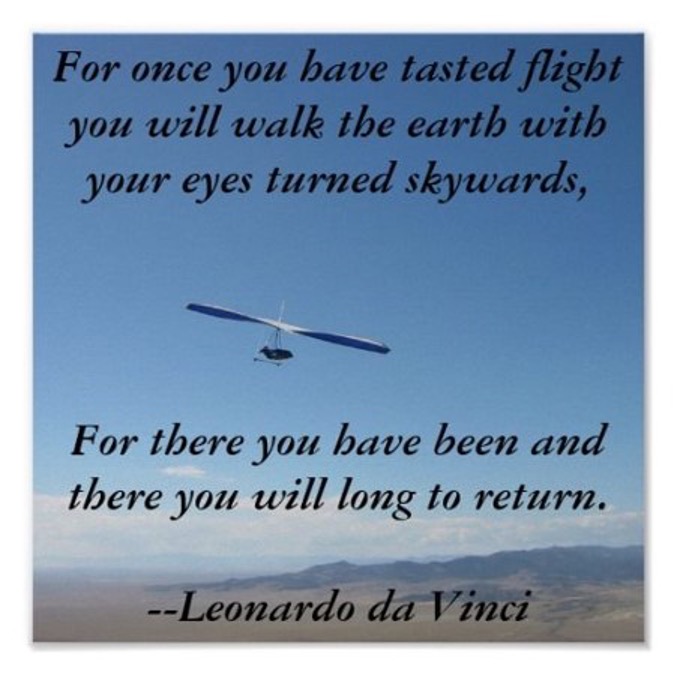
Introduces the field of aerospace engineering to demonstrate how engineers use math, science, and technology to solve problems. The problem-solving process is applied to satellite subsystem designs and implemented practically. Includes an examination of social and political implications of technology.
Prerequisites: College of Engineering students only
Corequisites: MATH 1050 or MATH 1060 (Trigonometry)
Dr. George’s Course Description: This course will introduce you to the fascinating world of aerospace engineering! Why study aerospace? The reasons are both poetic and practical. Aerospace engineering is at the forefront of modern technology and a degree in this subject could give you an opportunity to change the world. You could help develop new hypersonic aircraft to revolutionize flight, trimming international travel down to hours. Or you could work on innovative hybrid rocket technology that would enable throttleable solid rockets to pinpoint satellite deliveries to meters within a desired orbit. Or you may help design the first human missions to the dwarf planet Ceres, opening opportunities for mining resources and future solar system exploration. The poetic reasons are embodied in the quote, “To boldly go where no one has gone before.” Whether in Earth’s atmosphere or beyond, understanding how we can improve humanity’s future is a noble but achievable goal.
Fun and Educational Labs!
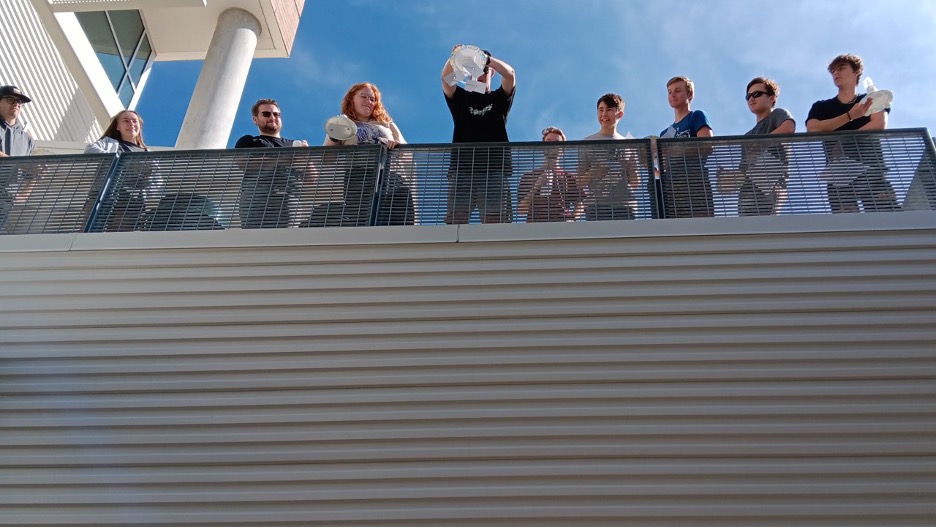
Gliders

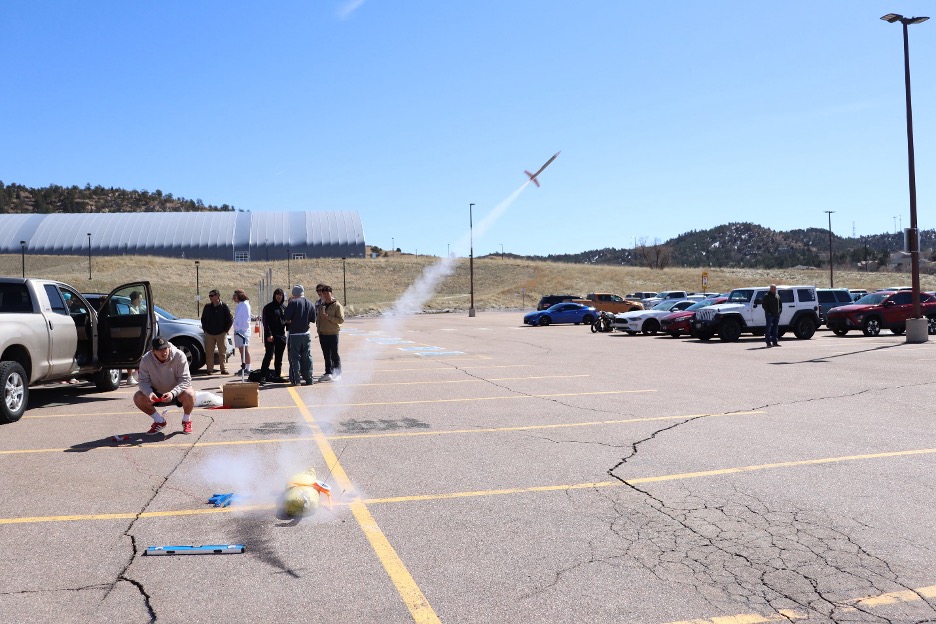
Rocket Launches
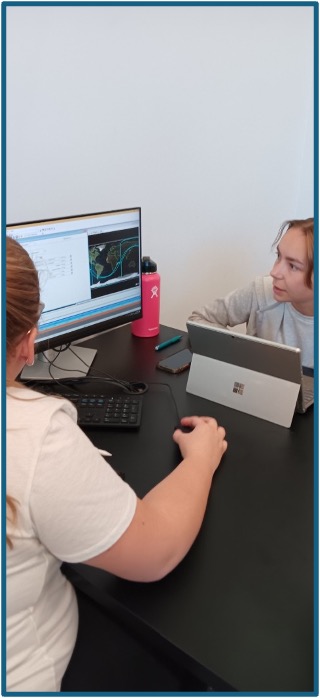
Systems Toolkit Orbital Mechanics
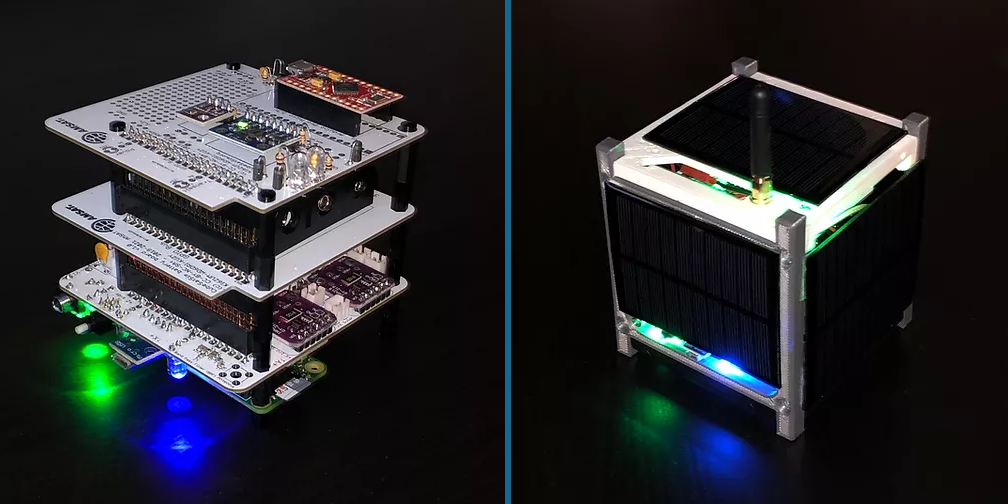
Cubesats
MAE 4450, Robotics
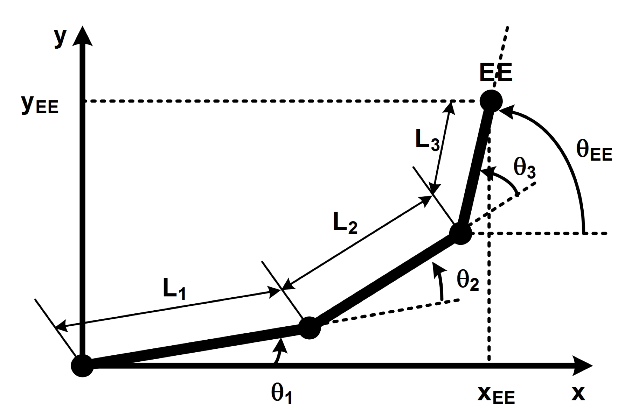
Dynamics, kinematics, and automatic control of robotic devices. Force and position control, path planning.
Prer., MAE 3401, MAE 4421, MATH 3130, MATH 3400. College of Engineering students only. Meets with MAE 5450.
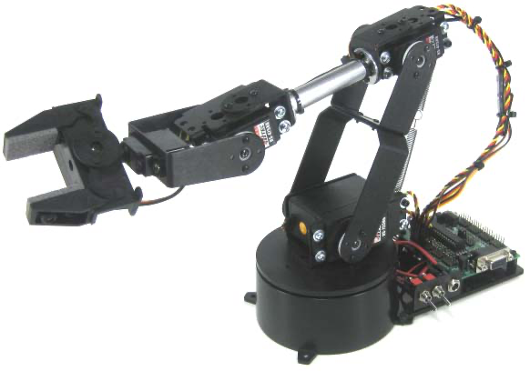
Dr. George’s Course Description: Robotics is a technical elective that will build on the skills you learned in MAE 2055, Mechatronics, MAE 2104, Dynamics, and MAE 3005, Measurements Lab. This course introduces the students to the basics of robotics to include forward and inverse kinematics and basic trajectory planning. The Lynxmotion AL5D robot art (manipulator) will be used extensively. Students will program the robot arms using Matlab. In addition, basic concepts of image acquisition and processing will be introduced using the Logitec C270 Web camera. Image processing techniques such as edge detection and basic filtering will be introduced. The course also includes an introduction to basic robot control technique and will culminate with a final design project and demonstration. It should be a great learning experience for you and helpful in your chosen career field.
Other Robotic Systems in the Space Systems Lab
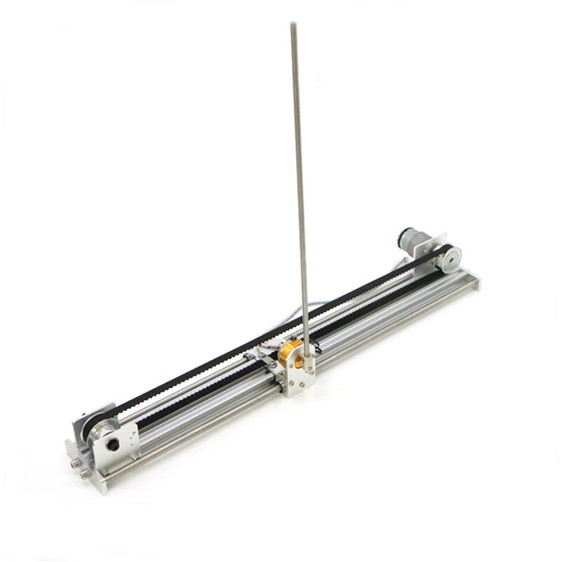
Inverted Pendulum
Tonybot 17 Degree of Freedom Robot
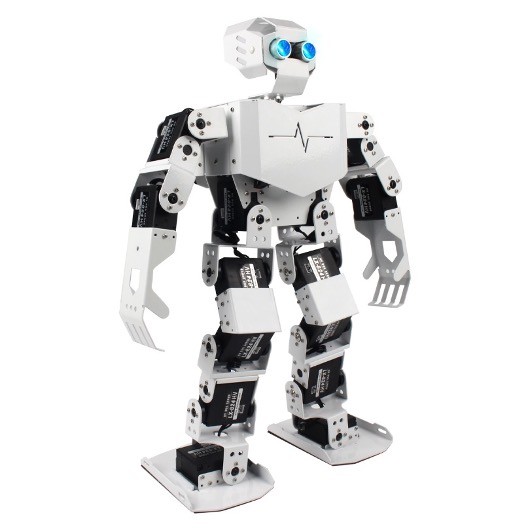
Check out these videos of Tonybot in action
Articles
UCCS Partnering with Space Force to get more Aerospace Engineers into Workforce. KOAA News. (2022, April 13). https://www.koaa.com/news/covering-colorado/uccs-partnering-with-space-force-to-get-more-aerospace-engineers-into-workforce
Faculty Resource Center Teaching Tip: Open Educational Resources. UCCS Communique. (2021, May 13). https://communique.uccs.edu/?p=132618
Faculty Resource Center Teaching Tip: Ask a Teaching Fellow. UCCS Communique. (2021, August 26). https://communique.uccs.edu/?p=134501
Videos
George, L, and A. Dodson. Small Teaching | Everyday Lessons from the Science of Learning. (Spring 2023).
Small Teaching Session 1_Teaching Circle_February 2
Small Teaching Session 2 Recording_2_16_2023
Small Teaching Session 3 Recording_03_02_2023
Small Teaching Session 4_03_16_2023
Albertson, J. and L. George. Distracted: Engaging Students Without Distraction. (2022). Distracted_Recording_2560x1440